In a world where marketing budgets are stretched and customer attention is harder to hold, strategic partnerships have become one of the most powerful ways to drive sustainable growth. But here's the truth: most brand collaborations don't reach their full potential. They kick off with excitement and shared potential, then quietly fizzle out when the campaign ends.
Partnerships should be built to last, not just to launch. Here's how to turn collaborations into long-term strategic assets that keep delivering value long after the first handshake.
Start with shared vision, not just shared audience
The strongest brand partnerships begin with alignment, not opportunity. Too often, brands jump into collaborations because the audiences "fit", but fail to ask whether the values align.
Before any agreement, I help brands define their partnership purpose: what they want to stand for, and why this collaboration makes sense beyond the transaction. When both brands grow from a shared vision - whether that's sustainability, creativity or community impact - the foundation is built for long-term success.
Build for integration, not isolation
A strategic partnership shouldn't sit outside your marketing strategy. It should amplify it.
The partnerships I run get integrated across the entire marketing ecosystem - digital campaigns, events, influencer engagement, PR, internal communications. That consistency in brand storytelling produces measurable results that feed into your broader marketing goals, not just one campaign's KPIs.
Keep communication transparent and regular
Partnerships thrive on communication. The best collaborations have structure - regular check-ins, transparent data sharing, and shared accountability.
I act as the strategic link between both partner brands, managing deliverables, communication and expectations to keep everything running smoothly. The process keeps both brands aligned and engaged, preventing the slow fade that kills so many good ideas.
Celebrate the relationship, not just the output
Visibility fuels longevity. By spotlighting the relationship itself rather than just the campaign, both brands strengthen credibility and connection.
Co-branded storytelling, joint PR, shared case studies - these are how you show your partnership as part of your brand's identity, not just a seasonal project.
What this looks like at Collab Collective
I don't believe in one-size-fits-all partnership management. Every collaboration is tailored to your brand's goals, audience, and growth strategy - so each partnership becomes a long-term strategic asset rather than a one-off win.
From partnership identification and outreach through to negotiation, management, activation and reporting, the work runs end-to-end. Because when done right, partnerships don't just boost visibility - they build brands.
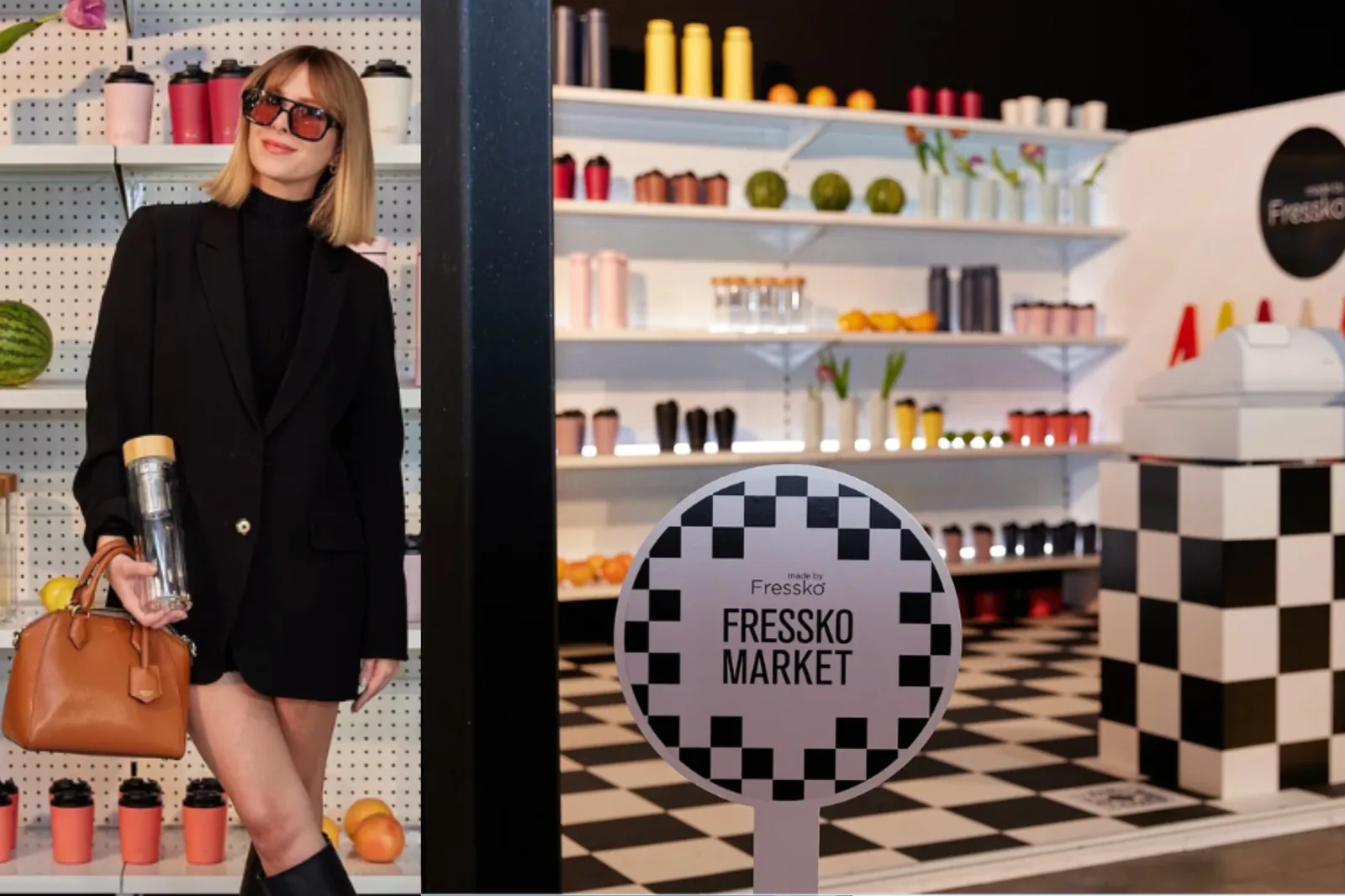
See how the model works in practice, or read about specific examples like Fressko x Afterpay Australian Fashion Week and FireFly x Hawthorn Football Club.